 Do you snore loudly? Wake up gasping? Feel exhausted no matter how early you went to bed? You might be one of the 30+ million Americans with sleep apnea — and many don’t even know it.
In this post, we’ll walk you through what sleep apnea really is, the warning signs, risks if untreated, and the most effective treatment options (including natural ones).
What Is Sleep Apnea?
Sleep apnea is a serious disorder where your breathing repeatedly stops and starts during sleep. These interruptions can happen dozens to hundreds of times a night.
There are two main types:
Obstructive Sleep Apnea (OSA): Caused by a blockage in the airway (most common)
Central Sleep Apnea: The brain fails to signal the muscles to breathe (less common)
Key Symptoms:
Loud snoring
Gasping or choking during sleep
Waking up with a dry mouth or headache
Daytime drowsiness or brain fog
Irritability or mood swings
Why It’s Dangerous:
Untreated sleep apnea increases your risk for:
High blood pressure
Heart disease and stroke
Type 2 diabetes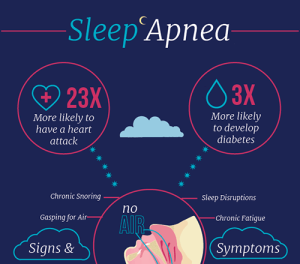
Depression and anxiety
Workplace or driving accidents
How Is It Diagnosed?
If you suspect sleep apnea, talk to your doctor. You may be referred for a sleep study (at home or in a clinic) where sensors track your breathing and oxygen levels.
Treatment Options:
✅ 1. CPAP Machines
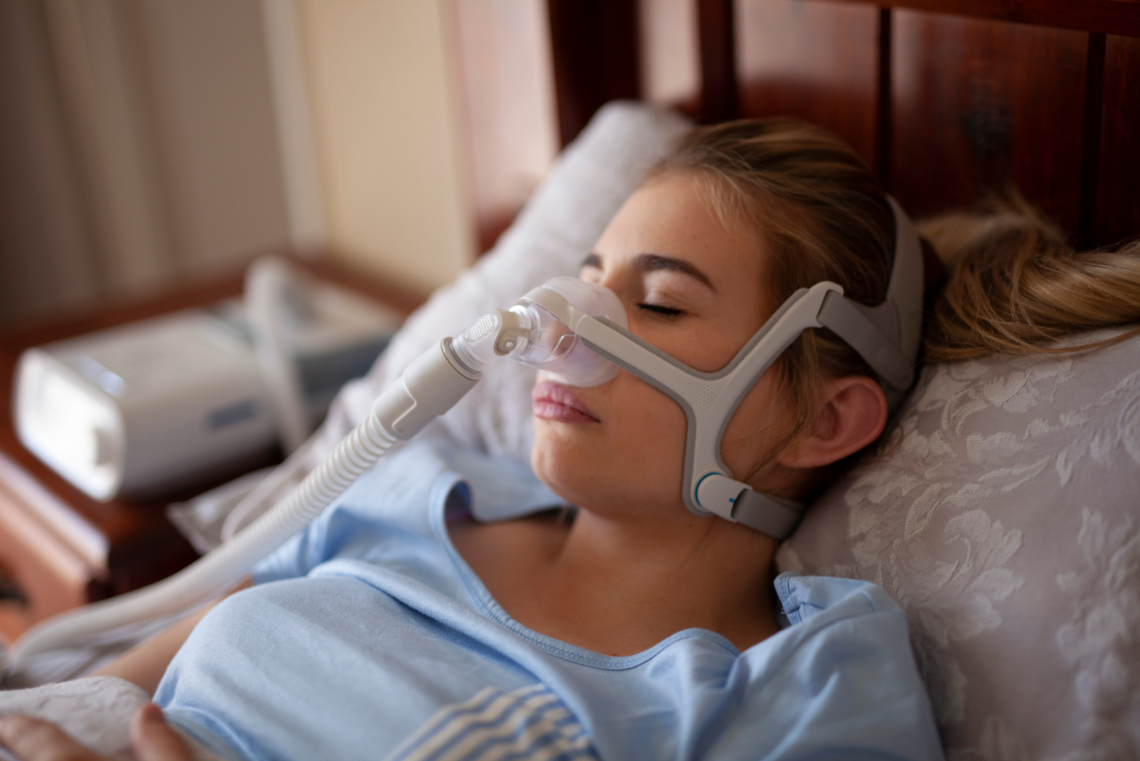
Continuous Positive Airway Pressure (CPAP) machines are the gold standard. They keep your airway open by delivering constant air pressure through a mask.
Tip: If you’ve tried CPAP and gave up, consider newer, quieter models or different mask styles.
✅ 2. Lifestyle Changes
Lose weight (even 10–15 lbs can help)
Avoid alcohol and sedatives at night
Sleep on your side instead of your back
Use a humidifier in dry environments
✅ 3. Oral Appliances
Custom-made mouthpieces from a dentist can reposition the jaw to keep the airway open.
✅ 4. Surgical Options
For severe cases, procedures like removing tissue, realigning the jaw, or implants may be considered.
Can You Treat It Naturally?
While no substitute for medical intervention, these can support your treatment plan:
Tongue and throat exercises (Myofunctional therapy)
Positional therapy (avoiding back sleeping)
Nasal breathing strips or saline sprays for congestion
 Final Thoughts:
Sleep apnea isn’t just snoring — it’s a silent disruptor of your health, energy, and even your lifespan. The good news? With the right treatment, you can reclaim your nights and your life.
💤 Not sure where to start? Begin with our free 7-Day Sleep Reset Guide to build a sleep-supportive lifestyle that sticks.
[Download the Guide →]